

Standard 1: digital tools & classroom assessments
An exploration of educational technology resources—highlighting BrainPOP, BrainPOP Jr., and Quill—and how each tool supports purposeful learning, interactive instruction, and comprehensive assessment strategies across diverse grade levels.

BrainPOP Jr.
Resource description: BrainPOP Jr. provides gentle, animated curricular content tailored specifically for early learners in kindergarten through third grade. It breaks down complex ideas across science, reading, writing, and social studies through relatable characters, interactive games, and structured vocabulary prompts that keep young learners motivated and engaged.
Assessment connection: BrainPOP Jr. serves as an engaging formative assessment platform through quick, visual 'easy' or 'hard' quizzes, draw-about-it activities, and creative sentence-builders that allow educators to check comprehension in real time without overwhelming emerging readers.
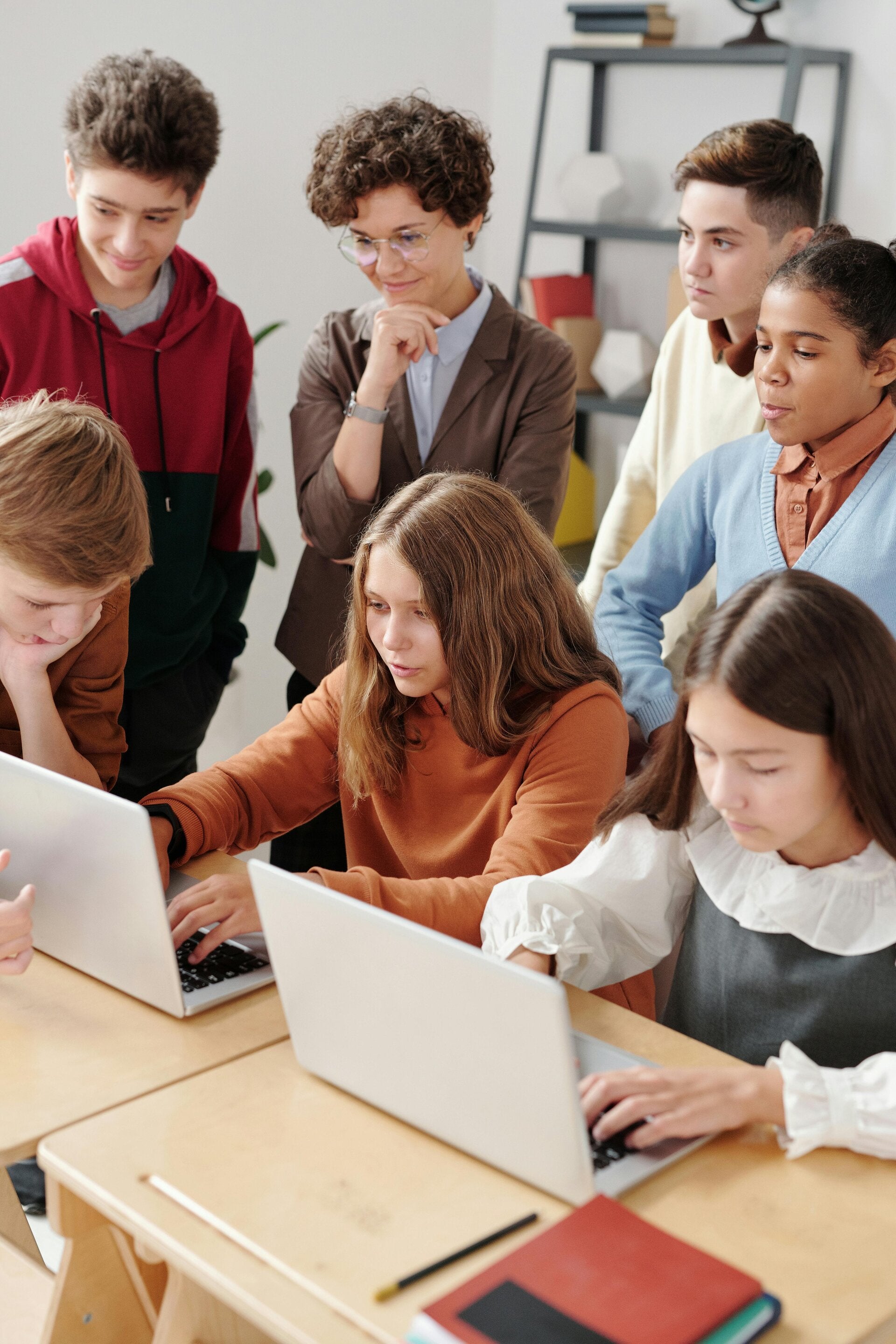
Classroom example: Before beginning a unit on habitats, students watch an animated video about animal homes on interactive tablets. Students complete the picture-supported 'easy quiz' in pairs and draw an ideal animal shelter on the drawing board. I can immediately analyze the visual submissions on the teacher dashboard to identify misconceptions and adjust upcoming guided reading groups.
BrainPOP
Resource description: BrainPOP is an interactive learning tool engineered for upper elementary and middle school students. Through short, concept-driven animated videos led by Tim and Moby, it explains challenging topics across STEM, the arts, and humanities while supporting higher-order critical thinking and inquiry-based learning.
Assessment connection: BrainPOP excels as both an introductory check for understanding and an interactive formative assessment tool. Its challenge tasks, concept-mapping features (Make-a-Map), and leveled graded quizzes deliver instant data that clarify whether learners have mastered essential standards.
Classroom example: During a science unit on ecosystems, students construct a digital mind map via Make-a-Map connecting producers, consumers, and decomposers after watching the core video. By exporting these student-made concept maps into a collaborative class board, I evaluate how accurately students synthesize relationships, using their visual models to steer targeted small-group interventions.